








Multi-layer electroplating
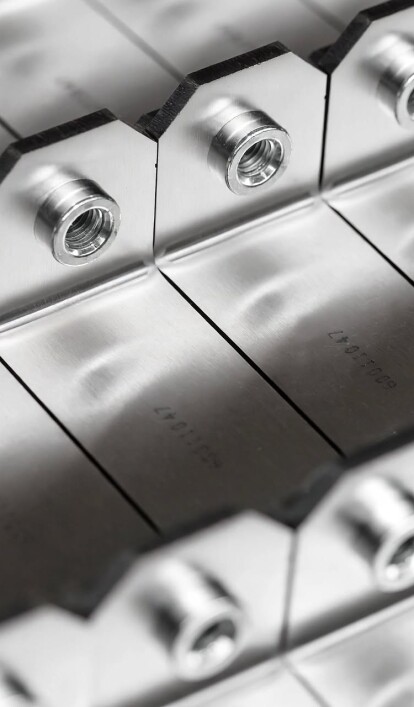
Combining barrier protection with surface functionality
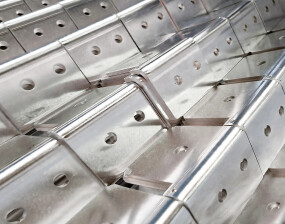
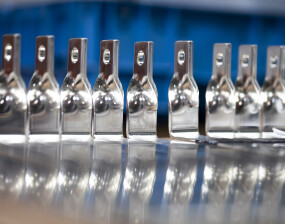
As part of our specialized electroplating services at Electris, we offer multi-layer coating processes, including dual-layer configurations such as Nickel + Tin (Ni + Sn) and Nickel + Silver (Ni + Ag).
Applying two distinct metals in a single plating process combines the protective properties of a technical undercoat with the functional performance of an outer finish.
Nickel + Tin (Ni + Sn) coating combination
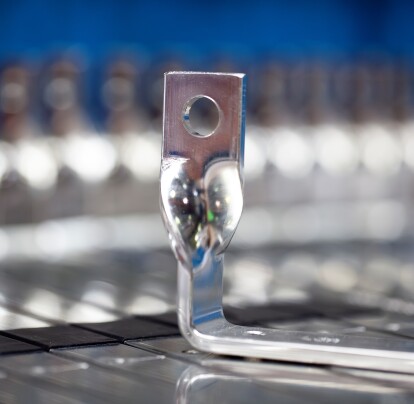
The combination of nickel and tin is a multi-layer solution where nickel serves as an underlayer (underplating) and tin forms the functional outer layer. This setup is primarily used when a single layer of tin cannot provide sufficient long-term stability, particularly on copper substrates.
Nickel acts as more than just an extra protective barrier. Its key role is to separate the base material from the tin and limit diffusion phenomena occurring at the interface between layers. This is critical in elevated temperature conditions, as higher temperatures accelerate intermetallic diffusion.
The outer tin layer delivers functional surface characteristics: it ensures excellent solderability and favorable contact properties, which are crucial in many electrical and electrotechnical applications. In practice, combining nickel and tin layers merges the benefits of a barrier layer with those of a functional surface finish.
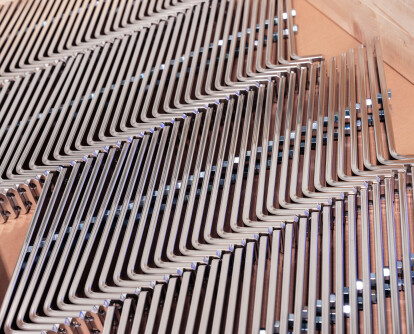
Key benefits of nickel + tin coating:
- Separation of the base material from the tin outer layer.
- Mitigation of adverse interfacial phenomena between the substrate and coating.
- Enhanced coating stability over extended operational lifespans.
- Excellent solderability provided by the functional tin layer.
- Optimal contact properties for demanding industrial applications.
It is worth noting that a nickel underlayer increases the system's thermal resistance by isolating copper from tin. However, this does not make it a universal solution for all high-temperature applications—precise customization based on specific operating conditions remains essential.
Selecting the appropriate coating should account not only for assembly and soldering requirements, but also for expected operating environments and required reliability levels.
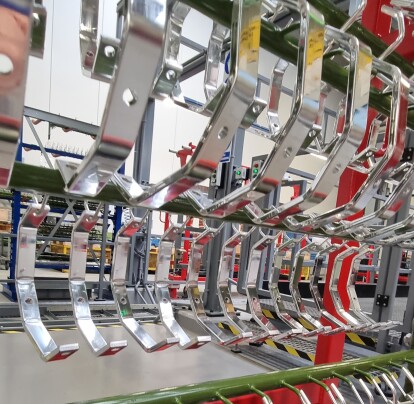
Nickel + silver (Ni + Ag) coating – role & properties
Another dual-layer solution available at Electris is the combination of nickel and silver. Similar to tin applications, the nickel layer acts as a technical barrier, sealing the base metal and preventing direct copper migration into the silver outer layer.
The outer silver layer provides ultra-low contact resistance, superior electrical conductivity, and stable contact performance under current loads. This combination is chosen for applications demanding the highest levels of electrical conductivity and surface resistance.
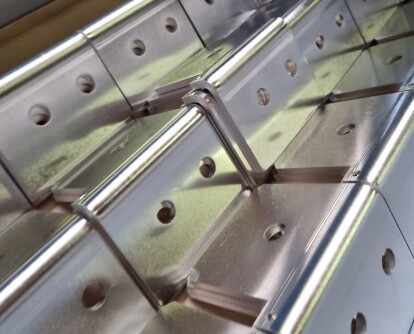
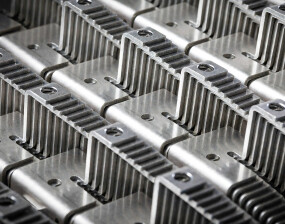
Nickel plating and its combinations with tin (Ni + Sn) or silver (Ni + Ag) are used wherever surface finishes are expected to provide not only corrosion protection, but also long-term parameter stability and durability under harsh operating conditions. This applies particularly to copper and aluminum components used in industries characterized by elevated temperatures, heavy current loads, continuous operational cycles, and strict connection quality requirements.
These electroplated coatings are used, among others, in:
- power engineering and energy distribution components, including busbars and conductor tracks,
- electrical connectors and contact elements,
- components used in e-mobility,
- copper and aluminum parts designed to operate in demanding environments.
In industrial practice, nickel plating is chosen where surface resistance, durability, and operational stability are key priorities. The nickel + tin combination is ideal for components requiring good solderability, proper contact properties, and higher coating stability during long-term service. Meanwhile, the nickel + silver system is selected for demanding high-current applications where minimizing energy loss, maximizing electrical conductivity, and ensuring low contact resistance under current loads are critical.
Need a quote on coatings for your products?
We would be happy to prepare a quote for you!
Write or call us:
