A leader in copper and aluminum processing in Europe. Check us out:
A leader in copper and aluminum processing in Europe. Check us out:

Metal components (copper or aluminum), though exceptionally durable, are exposed to various hazards—moisture, fluctuating temperatures, abrasion, and corrosion.
To maintain their longevity, aesthetics, and functional properties, they require proper "reinforcement" and parameter improvement. Electrolytic galvanization (or electroplating) is an excellent solution in this regard, not only protecting the metal surface but also enhancing the component's properties, such as improving corrosion resistance and mechanical strength. Discover the applications of electroplating across various industries!

Electrolytic galvanization is an advanced process involving the cathodic deposition of a metallic layer onto the surface of an electrically conductive substrate.
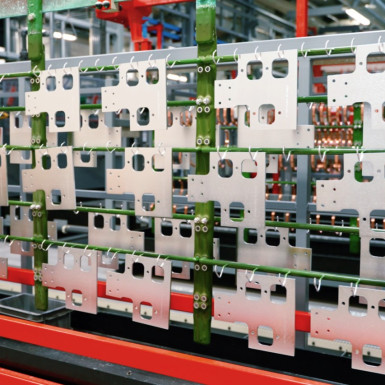
During this process, the component to be coated is immersed in a galvanic bath (an electrolyte solution) containing metal ions, such as nickel, silver, or zinc. The component acts as the cathode, while the anode is placed in the same electrolyte. By applying an external constant voltage source, the metal ions migrate to the cathode and undergo reduction, leading to their uniform and adhesive deposition on the part's surface.
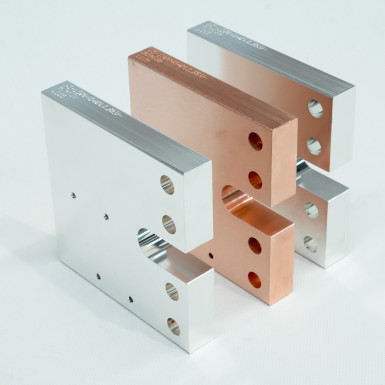
Electroplating non-ferrous components, such as copper or aluminum, aims to modify their surface properties and enhance the key functional parameters of the parts.

The efficiency and success of the process are determined by: the method (technology) used, the layer thickness, the component's geometry, and its target operating environment (application). At Electris, we tailor optimal galvanic solutions to individual Client specifications. We offer processes such as nickel plating, tin plating, and silver plating.
All the benefits mentioned above make non-ferrous metal galvanization very common and frequently used across different industries.
Where does it perform best? Here are the most frequent applications of electrolytic galvanization!
Galvanic coatings play a particularly vital role in the power engineering sector, providing protection and improving the functionality of power grid components. They are essential for increasing the current conductivity of elements, which is especially important for the functionality of busbars and other power transmission components. Crucial parameters also include protection against corrosion and oxidation.

Electrolytic galvanization plays a strategic role in the automotive industry, including the electromobility sector. This process is used to provide maximum protection for both body components, engine parts, and exhaust systems in conventional vehicles, as well as critical components of electric vehicles (EVs).
The application of nickel, chrome, and zinc coatings creates an advanced anti-corrosion barrier, which is key to long-term durability and preserving the aesthetic qualities of vehicles. In the context of electromobility, galvanic coatings are also indispensable for improving the conductivity and thermal protection of connections in lithium-ion batteries and power supply systems. These technologies protect components against extreme operating conditions, minimizing the risk of failure and ensuring that vehicles maintain durability and an attractive appearance for many years.
Machine and tool components are often subjected to electrolytic galvanization to increase their resistance to abrasion and mechanical wear. Nickel or chrome coatings are applied to moving parts, shafts, and bearings, ensuring a longer lifespan and stable operation of the equipment.
Electrolytic galvanization is equally important in electronics. Metallic coatings improve the electrical conductivity of components, and thin protective layers shield against oxidation and interference. The use of galvanization in the production of printed circuit boards, connectors, and contacts is standard in the industry.

Aluminum galvanization is used in aerospace and the production of lightweight structures, where both corrosion protection and maintaining optimal mass are important. Electroplated coatings increase the resistance of parts, such as aircraft fuselages, structural frame elements, and equipment covers, to atmospheric and chemical agents.
At Electris, we specialize in comprehensive galvanization services related to copper galvanization and aluminum galvanization. Thanks to modern galvanic processes, we can guarantee the highest quality metallic coatings, tailored to individual client needs.
Our coatings form a durable layer that improves component properties—providing better current conductivity at contact points (silver), increasing resistance to external factors and mechanical damage (nickel, tin, silver), and enhancing solderability (tin and nickel). As a result, the processes we offer support various industries.
Do you have questions or want to benefit from the best electroplating services? Feel free to contact Electris—email us at sales@electris.pl
I use cookies to ensure basic site functionality and improve your online experience. You can choose for each category to opt-in at any time. For more information on cookies and other sensitive data, please see the full privacy policy and cookie policy.
If you have any questions about our cookie policy, please contact us.