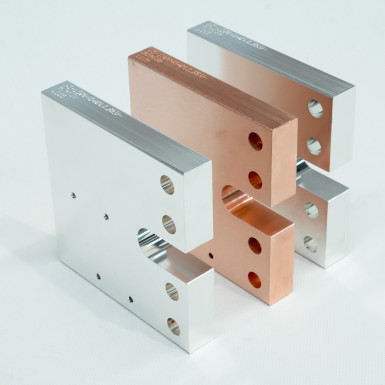
A leader in copper and aluminum processing in Europe. Check us out:
A leader in copper and aluminum processing in Europe. Check us out:
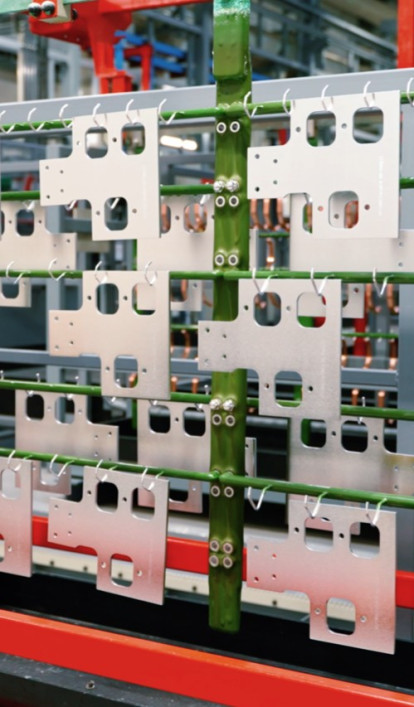
Tin plating of aluminum is one of the most demanding yet effective electroplating processes used in modern industry.
It is utilized for various reasons – from protecting metal against external factors and facilitating further processing to stabilizing the electrical parameters of components. Discover what galvanic tin plating of aluminum entails, what benefits it offers, and when it becomes indispensable.
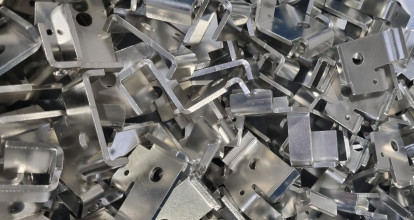
Galvanic tin plating is an electrochemical process that involves creating a thin, uniform tin coating on a metal surface. It is performed in specialized electroplating baths containing tin ions, which deposit onto the surface of the component under strictly controlled conditions.
In the case of aluminum, this process is more complex than tinning copper or steel. Why? Because aluminum reacts very quickly with oxygen, forming an oxide layer that hinders the adhesion of electroplated coatings. Therefore, proper surface preparation is critical, including:
In practice, aluminum tinning – despite its technological complexity – is a widely used process in modern industry. This stems from increasing requirements for durability, stability of technical parameters, and the reliability of components used in various applications: electrical, electronic, and power engineering. Tin creates a stable barrier on the aluminum surface, preventing the formation of insulating oxides and thereby reducing contact resistance in electrical connections.
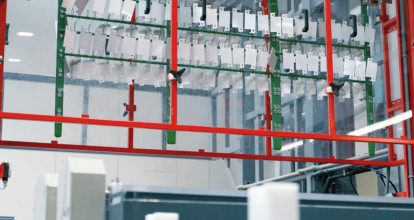
Now that you know what the tin plating process is, it is time to discuss its effects. The unique properties of tin significantly improve the functional parameters of aluminum, especially in demanding industrial environments.
The most important benefits of tinning aluminum include:
Unlike raw aluminum or copper, tin is much less prone to forming oxide layers that degrade contact performance. Therefore, its application ensures not only the protection of aluminum but also the overall quality and reliability of entire systems.
As mentioned before, tin plating of aluminum is extremely common across many industries. The process is applied to both small precision parts and larger components with complex geometries.
Commonly tinned aluminum elements include:
By applying a tin coating, aluminum components become more versatile and easier to integrate with other materials. Tinning allows for the seamless joining of aluminum with copper or other metals, reduces the risk of undesirable electrochemical reactions, and standardizes the surface properties of the parts.
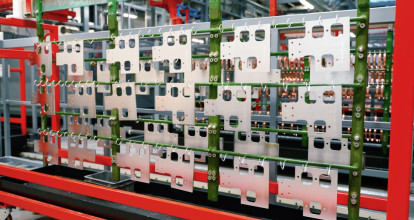
In many cases, galvanic tinning of aluminum is not just an option, but a necessity. This process is particularly essential in the electrotechnical and power industries, as well as for components operating in high-humidity environments. It is also indispensable in applications requiring reliable soldered connections.
Metal electroplating with tin is a proven way to protect components from degradation, increase operational safety, and reduce the risk of failures resulting from corrosion or unstable contact parameters.
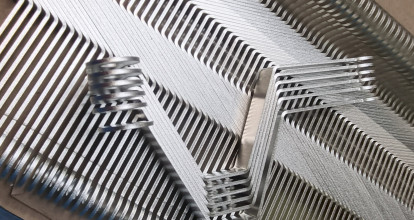
At Electris Coating Systems, we provide advanced electroplating processes, including aluminum tinning and copper tinning. We utilize a modern technological infrastructure and pay exceptional attention to surface preparation. As a result, we guarantee:
Ensure effective metal protection and excellent solderability with top-tier coatings. Leverage the expertise of the Electris team and the potential of our modern electroplating facility. Choose precision tin plating for aluminum and copper.
I use cookies to ensure basic site functionality and improve your online experience. You can choose for each category to opt-in at any time. For more information on cookies and other sensitive data, please see the full privacy policy and cookie policy.
If you have any questions about our cookie policy, please contact us.