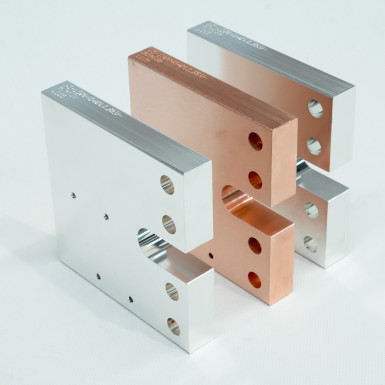
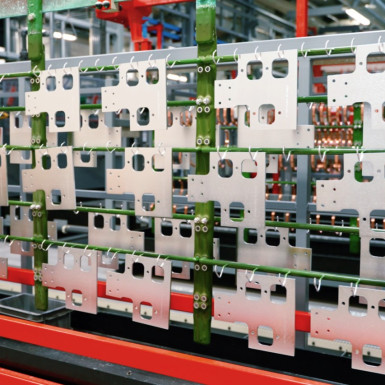
A leader in copper and aluminum processing in Europe. Check us out:
A leader in copper and aluminum processing in Europe. Check us out:

The modern energy and electronics sectors demand solutions characterized by high conductivity and resilience to harsh operating conditions.
Increasing installation loads, component miniaturization, and the drive to minimize energy loss have led to the rising adoption of advanced galvanic processes. One such critical process is silver plating of copper, which significantly enhances the technical parameters of components used in power engineering, ensuring longer service life and operational stability.

Galvanic silver plating, also known as electrolytic silvering, involves depositing a thin layer of silver onto the surface of another metal—most commonly copper or aluminum. This creates a durable, uniform coating that improves the functional properties of the base component.
The process relies on meticulous surface preparation and an electrolytic bath containing silver ions. Under controlled conditions and specific electrical current flow, silver is deposited evenly, creating a layer of precise thickness. This method is among the most accurate techniques offered by modern electroplating services.
Silver plating is widely utilized in industry for several critical reasons, particularly within the energy and electronics sectors:

In the industrial sector, silver plating serves a dual purpose: it acts as a protective barrier and significantly upgrades the functional performance of components.
This process is essential for components responsible for power transmission and distribution, such as:
By silver-plating copper elements, high contact conductivity is maintained, and the risk of oxide layer formation is minimized. In practice, this results in stable installation operation, reduced energy loss, minimized connection heating, and higher reliability for entire power systems.

Electrolytic silvering is used in connectors, contacts, and power components to ensure maximum precision and connection reliability. It effectively minimizes signal loss and protects elements from oxidation and wear. Key applications include:
While copper is the most frequent substrate, silver plating on aluminum is gaining rapid popularity. Due to its lightweight nature and excellent physical properties, silver-plated aluminum is frequently used in:

At Electris Coating Systems, we specialize in galvanic silver plating, providing durable and reliable coatings for copper and aluminum components. Our advanced technology, precise thickness control, and extensive experience in the energy and electronics sectors ensure our processes meet the highest industrial standards.
Partnering with Electris is an investment in the durability, safety, and reliability of components designed for modern power engineering.
If you require these services – contact us today! Email us sales@electris.pl
I use cookies to ensure basic site functionality and improve your online experience. You can choose for each category to opt-in at any time. For more information on cookies and other sensitive data, please see the full privacy policy and cookie policy.
If you have any questions about our cookie policy, please contact us.