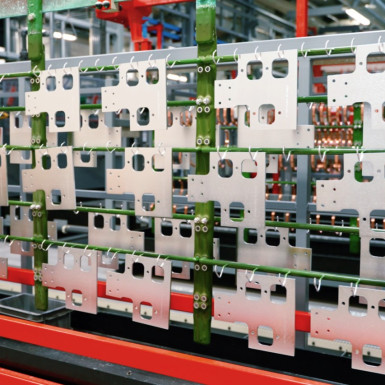
A leader in copper and aluminum processing in Europe. Check us out:
A leader in copper and aluminum processing in Europe. Check us out:
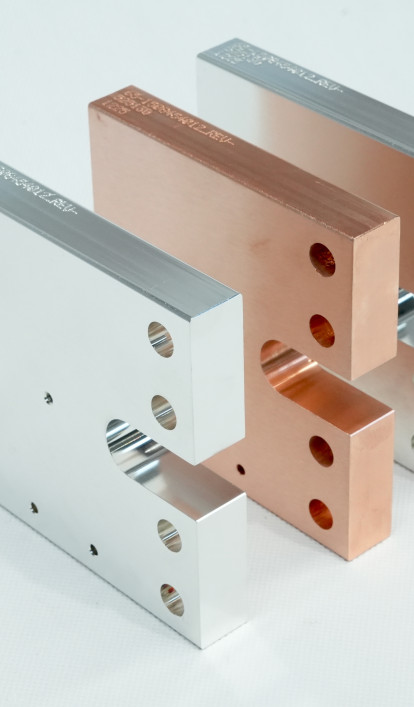
Electroplating thickness is about more than just aesthetics and corrosion protection.
It is a critical parameter that modifies the surface structure of the metal, influencing properties ranging from wear resistance to ductility. Discover how coating thickness impacts the strength and operational parameters of electroplated components.
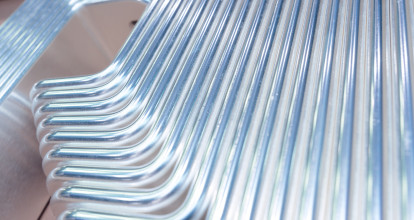
In electrochemical processes, the thickness of the deposited metal layer (expressed in micrometers – μm) is one of the most vital technical specifications. In industries with high technological rigor, such as power engineering or electrotechnics, the material allowance resulting from the coating must be considered as early as the design stage. Therefore, thickness tolerances—the permitted range that guarantees full functionality while maintaining dimensions—are crucial.
There is no one-size-fits-all answer. The range depends on the type of metal, its function, and specific project requirements. At Electris Coating Systems, we offer a wide range of coating thicknesses for nickel, silver, and tin—from 1 μm to 50 μm. This allows for precise alignment of the process with the intended role of the galvanic layer.
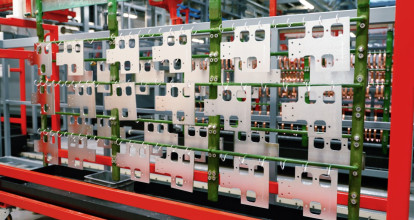
Components operating in high-friction environments or those exposed to abrasion and high pressure (e.g., machine parts, piston rods, bearings) require thicker coatings. Greater thickness not only extends the component's lifespan but also more effectively protects the base metal from deformation under point loads.
A layer that is too thin will not provide sufficient corrosion protection. A thicker coating creates a tighter barrier for the base metal, especially in aggressive environments (high humidity, salinity). Increasing the thickness helps eliminate microporosity, directly translating into long-term durability.
The thickness of the metal layer has a direct impact on the operational properties of the part. A properly selected coating can significantly extend the life of components and improve their performance. Different thicknesses are required for corrosion resistance versus improving electrical conductivity (where minimizing resistance is key). The function of the coating and the specific operating environment determine the process parameters.
A well-chosen metal layer significantly improves performance, but an excess or deficiency can be problematic:
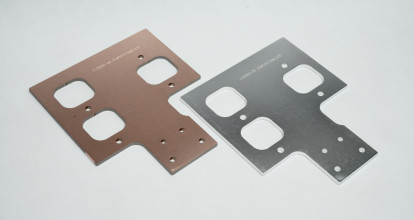
These concepts serve different functions. Wear resistance depends largely on the type of material and the thickness of the applied coating, which acts as a physical barrier—the thicker it is, the longer the mechanical wear process takes. In contrast, hardness is an intrinsic property of the specific metal used (e.g., hard nickel vs. soft tin).
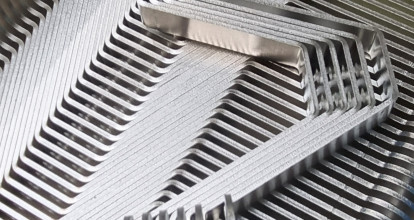
The type of metal being electroplated—whether steel, aluminum, or copper alloys—maters immensely. Each requires specific preparation to ensure the galvanic coating adheres correctly to the substrate. At Electris, we treat the preparation stage as a critical technological step:
Metal electroplating is a process that requires precise technological control. At Electris, we offer comprehensive services for non-ferrous metals (copper and aluminum). We specialize in tinning, nickeling, and silvering for the power engineering industry. Thanks to modern technology, we achieve precise thicknesses (up to several dozen μm), ensuring the reliability of components in demanding industrial conditions.
Questions? Interested in a partnership? Contact us at sales@electris.pl
Sources:
I use cookies to ensure basic site functionality and improve your online experience. You can choose for each category to opt-in at any time. For more information on cookies and other sensitive data, please see the full privacy policy and cookie policy.
If you have any questions about our cookie policy, please contact us.