











When should you use multilayer coatings?
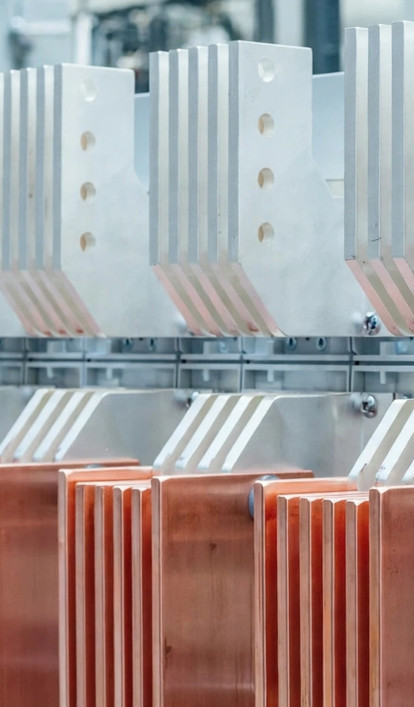
A single layer of metal does not always provide the surface properties required in demanding industrial applications. In many cases, multilayer coatings prove to be an ideal solution—protecting the base material on one hand while improving the functional parameters of the component on the other.
Discover the benefits of such electroplated coatings and find out when it is worth opting for them.
What are multilayer coatings?
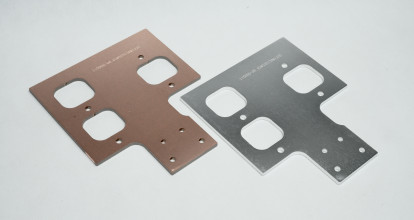
Multilayer coatings are surface finishes consisting of at least two layers of different metals applied sequentially to a base material in an electroplating process. Each layer performs a specific function, and their properties complement one another. The undercoat can protect the base material and limit adverse phenomena at the metal interface, while the outer layer provides the required functional parameters, such as good solderability or high electrical conductivity.
Unlike single-layer finishes, multilayer electroplated coatings allow surface properties to be tailored more precisely to the operating conditions of a given component. Therefore, it is not merely about increasing the thickness of the protection, but above all about achieving a specific combination of characteristics.
This solution is particularly critical for copper and aluminum components used in electrical engineering, the power industry, and general manufacturing.
What are the types of electroplated coatings in a multilayer system?
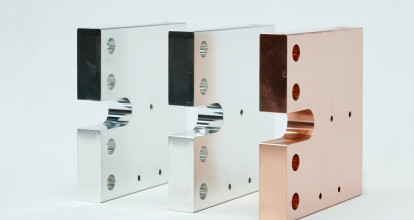
Among the solutions available in the Electris portfolio are bi-layer systems such as nickel + tin (Ni + Sn) and nickel + silver (Ni + Ag). In both cases, nickel coatings serve as a technical undercoat, while the outer metal provides specific functional surface properties.
Nickel + tin (Ni + Sn)
In this configuration, nickel acts as an intermediate (barrier) layer separating the base material from the outer tin finish. Its primary role is to limit metal diffusion at the substrate-tin interface. This is especially important for copper components—for instance, when they operate at elevated temperatures, which accelerate intermetallic diffusion.
Meanwhile, the outer tin layer ensures excellent solderability and favorable contact properties. As a result, the Ni + Sn combination performs exceptionally well in components where both long-term coating stability and the quality of electrical connections are crucial.
Nickel + silver (Ni + Ag)
The second solution combines nickel and silver. As in the previous system, the nickel layer functions as a technical barrier that separates the base metal from the outer silver and limits copper migration into the top layer.
Silver electroplating provides outstanding electrical conductivity and low contact resistance. This finish is particularly useful in components operating under high current loads, where minimizing energy losses and maintaining stable connection parameters are paramount.

Multilayer electroplated coatings – 6 key benefits
Combining two different metals yields properties that nickel electroplating, silver electroplating, or tin electroplating alone could not achieve.
The most important advantages of this solution include:
- More effective base material protection – the undercoat separates the substrate from the outer metal, limiting undesirable phenomena at the interface of dissimilar materials;
- Reduction of intermetallic diffusion – a properly selected intermediate layer slows down atom migration between the substrate and the finish, which is vital during operation at elevated temperatures;
- Greater long-term operational stability – combining the properties of two metals helps maintain required surface parameters over years of service;
- Good solderability – an outer tin layer facilitates durable soldered joints in electrical and electronic components;
- High electrical conductivity – using silver ensures superior current-carrying performance and minimizes contact resistance;
- Adaptability to demanding operating conditions – the right metal configuration delivers the properties needed for parts exposed to high temperatures, heavy current loads, and intensive wear.
It is worth remembering that simply applying a multilayer finish does not guarantee universal resistance to all external factors. The final performance of the electrolytic coatings depends on metal selection, process parameters, and the specific environment in which the protected part will operate.
When to use multilayer coatings?
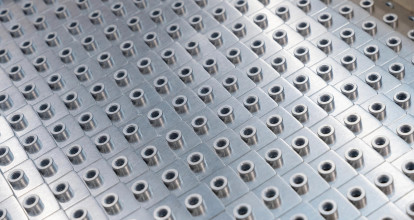
Electroplating using multiple layers is worth considering whenever a single finish does not provide sufficient protection or the required electrical and functional parameters. This applies primarily to components that must maintain stable properties over a long period—even under intensive use, elevated temperatures, or high current loads.
Ni + Sn and Ni + Ag systems are used, among others, in:
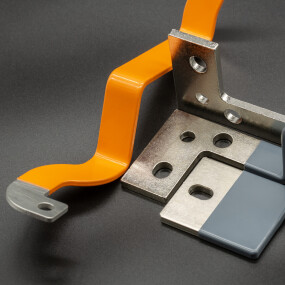
- power engineering and energy distribution components, such as busbars and current paths;
- electrical connectors and contact elements;
- components used in electromobility (EV);
- copper and aluminum parts designed to operate in harsh industrial environments.
Choosing the right system depends on the component's intended purpose. If the priority is good solderability, suitable contact properties, and limiting diffusion between the substrate and the outer layer, nickel electroplating combined with tin electroplating is worth considering. Conversely, in high-current applications where electrical conductivity and minimal contact resistance are critical, a nickel + silver system may be the better choice.
Note: When selecting a technology, you must also account for the base material, operating temperature, expected loads, and joint durability requirements. This ensures you select a finish that meets the actual demands of the application.