



Automation of electroplating processes – what does it involve and which solutions guarantee the highest coating quality?
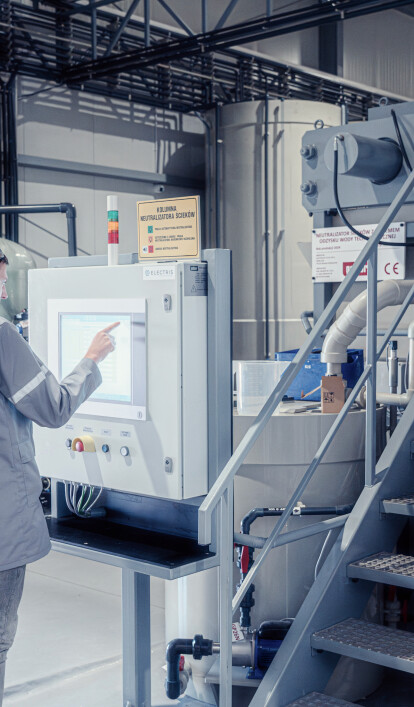
Production automation is now the standard for delivering high-quality solutions within short lead times. The electroplating industry is no exception, with automated solutions being used more and more widely.
Leading manufacturers, including Electris, use advanced control systems that enable precise supervision of every stage and ensure repeatability of the coatings produced. Find out what automation of electroplating processes involves and how it works in practice.
What does automation of electroplating processes involve?
Automation of electroplating processes involves the use of advanced software, modern equipment and control systems that take over supervision of the key stages in applying specialist layers of tin, nickel or silver. The benefits of implementation are wide-ranging — it reduces the need for manual intervention, increases production efficiency and ensures greater repeatability of the coatings produced.
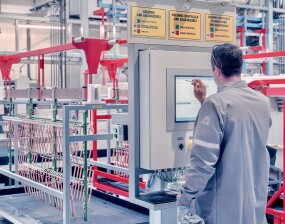
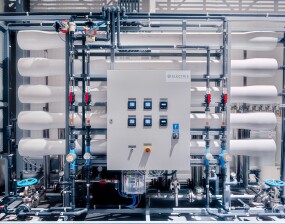
In traditional electroplating processes, many parameters require regular inspection and manual adjustment. Today, modern electroplating lines use sensors, controllers, dosing pumps and IT systems that continuously monitor the process. This makes it possible to maintain the correct bath parameters, control the thickness of the electroplated coating, and respond quickly to any deviations.
Modern production automation covers the entire technological chain — from component preparation, through transport between individual stages, to drying and inspection of finished parts. It is precisely this comprehensive approach that makes it possible to achieve high quality regardless of production scale.
From advanced software to efficient systems – how is the electroplating process automated?
Automation of the electroplating process can include many different solutions that together create an efficient and precise production system. Here are the four most important ones.
1. Software for monitoring electroplating processes
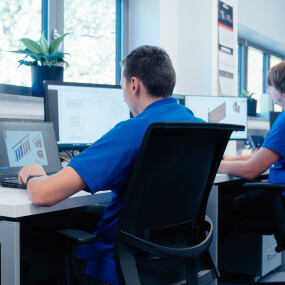
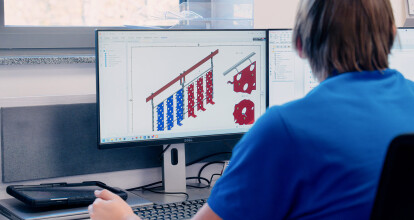
A key part of automation is advanced software that enables ongoing monitoring and control of the electroplating process. Control systems collect production, measurement and diagnostic data, making it possible to analyse plant performance and quickly detect potential irregularities.
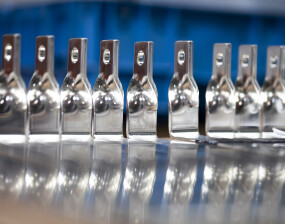
Such solutions provide greater stability of electroplating processes and help maintain consistent quality of the finished components. Precise parameter control is particularly important when carrying out demanding electroplating services, such as electrolytic silver plating, electrolytic tin plating and electrolytic nickel plating, for the electrical power industry.
2. Automatic dosing systems for chemical additives
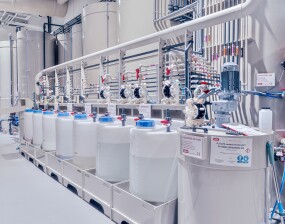
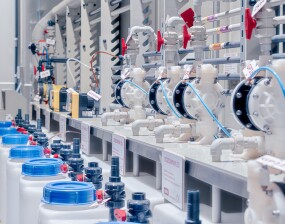
One of the factors affecting coating quality is the correct composition of the electroplating bath. For this reason, the most advanced production lines use automatic dosing systems responsible for precise replenishment of chemical components. How does this work?
- dosing systems use a set of sensors, controllers and pumps;
- after analysing the collected data, the system automatically delivers the appropriate amount of chemicals to the bath, maintaining the correct parameters;
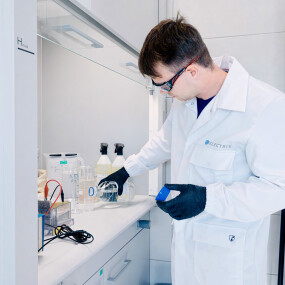
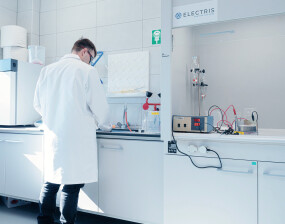
- in addition, the composition of the electroplating baths is tested in the laboratory, providing assurance that the process is running under optimum conditions.
The main effects of this kind of automation are greater process repeatability and the highest coating quality — regardless of whether we are talking about copper electroplating or aluminium electroplating.
3. Loading and unloading stations
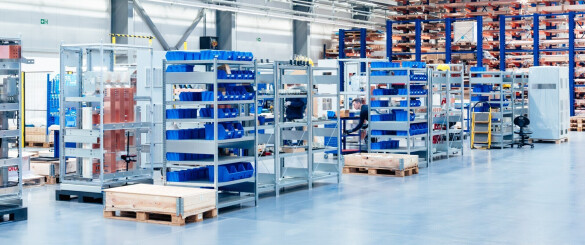
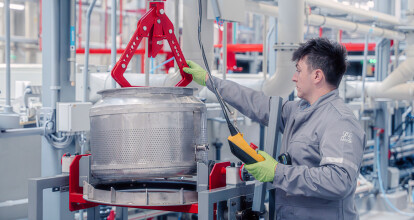
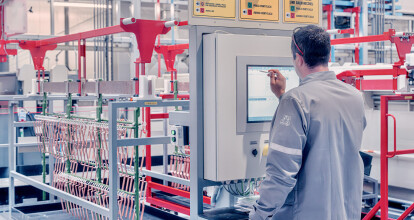
Another important element is automatic loading and unloading stations, which improve the flow of components through the entire production line. This reduces the risk of errors resulting from manual handling and helps maintain high process repeatability.
Thanks to integration with the technological transport system, components can be moved precisely between successive electroplating stages, which has a direct effect on production efficiency and the quality of the final coatings.
4. Ventilation systems and drying systems for finished components
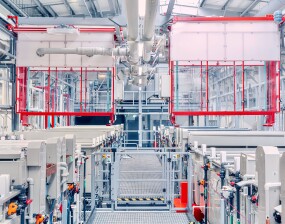
Electroplating processes require suitable working conditions and effective extraction of generated fumes. Automated ventilation systems play an essential role here, supporting process safety and the stable operation of the entire installation. Alongside them, drying systems are used to ensure correct preparation of finished components for further use.
Automated metal electroplating – the main benefits
Automation of electroplating processes brings many benefits both to manufacturers and to end users of finished components. The most important of these is repeatability — every batch can be produced under the same parameters, which translates into stable coating quality.
Other advantages of automated metal electroplating include:
- higher quality of electroplated coatings — precise parameter control makes it possible to achieve durable and uniform surface protection;
- greater production efficiency — automated systems enable efficient processing of large numbers of components;
- the ability to deliver demanding projects — modern electroplating equipment makes it possible to produce different types of coatings and meet high customer expectations.
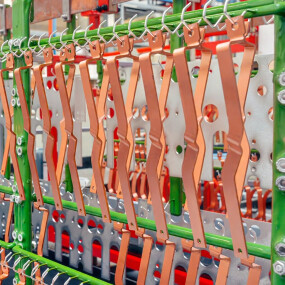
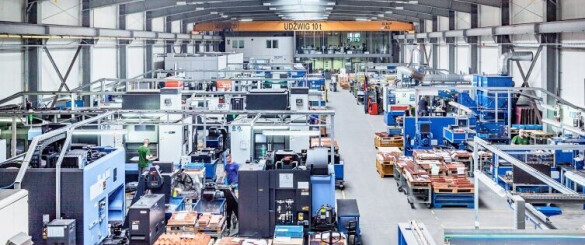
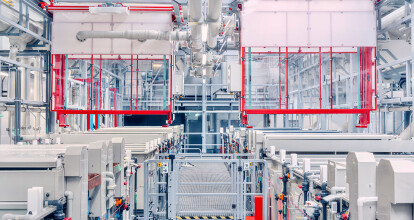
The best example of the effectiveness of automation is the Electris Coating Systems plating facility. Thanks to the use of advanced technologies, it achieves an annual capacity of several million dm². At the same time, the implemented solutions make it possible to produce a wide range of electroplated coating thicknesses and to electroplate components with a maximum length of 2100 mm.
At Electris, the future starts today – benefit from modern copper and aluminium electroplating
Electris provides comprehensive electroplating services, using a modern automated production line and advanced process control systems. By combining technology, experience and precise supervision, we are able to produce high-quality coatings tailored to the requirements of different industries.
So, if you need a reliable partner in metal electroplating — including silver plating, tin plating or nickel plating — contact Electris and discover the capabilities of a modern electroplating facility.