




Epoxy coatings vs heat shrink tubing
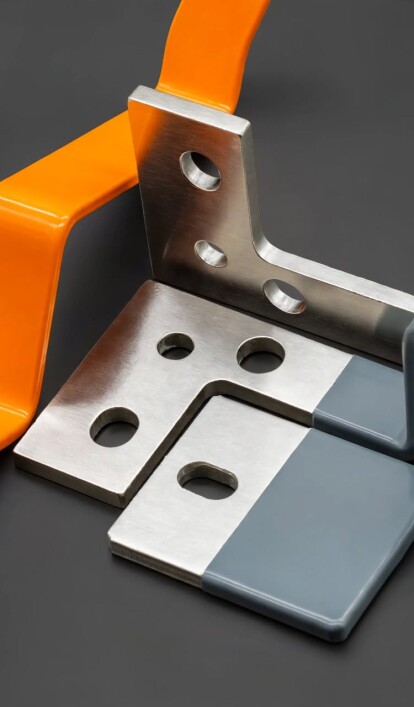
Heat shrink tubing has long been used to insulate and protect electrical components.
However, it doesn't always perform well with complex geometries or high-performance requirements, particularly when durability and repeatability are essential. In such cases, an effective alternative exists: powder-applied epoxy coatings, which often prove to be more efficient and flexible. Why is that?
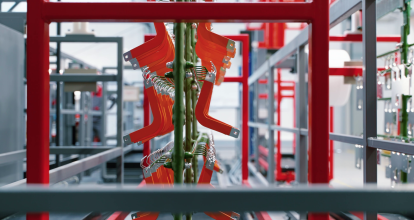
Epoxy Coatings – can they replace heat shrink tubing?
In the design of modern power engineering devices, switchgear, oil & gas applications, control cabinets, battery packs, and many other advanced solutions, miniaturization, insulation reliability, and effective heat dissipation have become critical challenges.
Heat shrink tubing consists of flexible plastic sleeves that shrink when exposed to heat, tightly adhering to the protected component. It is primarily valued for its simplicity—it just needs to be fitted, placed over the component, and shrunk into place. For many standard applications, this is a fully sufficient solution.
However, traditional heat shrink tubing is increasingly becoming a design limitation. For more complex geometries, it can exhibit uneven wall thickness depending on the shape of the part, leading to inconsistent insulation performance. Its installation is also an additional manual step that can extend lead times and increase long-term production costs.
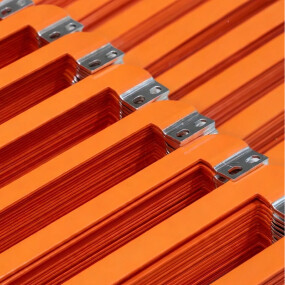
This is precisely why, in more demanding applications, it is worth considering epoxy coatings. These are applied directly to the component and precisely match its exact contour.
Once applied and cured, epoxy paint forms a continuous, seamless layer permanently bonded to the substrate. Rather than being an added sleeve placed over a finished component, it serves as a custom-fitted functional protective layer. This distinction is critical for dielectric insulation performance, process repeatability, precise coating thickness control, and targeted masking of specific zones.
Powder Coating – when does it outperform heat shrink tubing?
Powder coating allows a metal component to be coated with specialized technical paint and cured under controlled conditions. This process produces a durable, uniform layer—even on irregular and complex shapes—which is vital for components requiring effective electrical insulation.
The advantage of this solution becomes most apparent when the component:
- Has a complex 3D geometry;
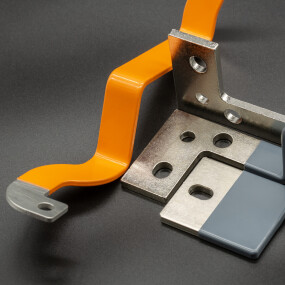
- Features bends, twists, holes, or cross-sectional changes;
- Requires precisely defined contact zones left uncoated;
- Is mass-produced and demands high process repeatability.
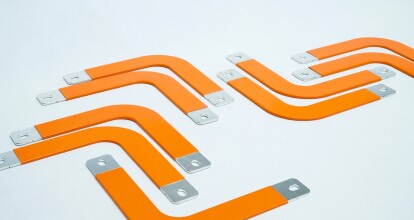
In these scenarios, an epoxy (or polyester) coating adapts far better to the specific shape of the component while offering superior process control.
It is worth noting, however, that there is no single universal solution for every component. Heat shrink tubing remains highly practical for less demanding, straightforward applications.
What are the benefits of epoxy powder coating?
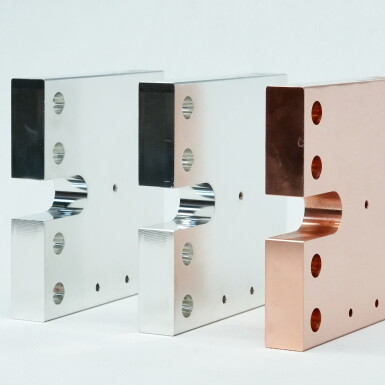
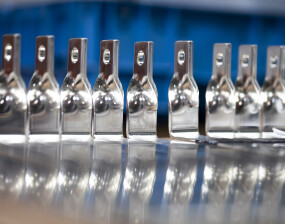
When properly selected, functional epoxy coatings fulfill a dual purpose: providing both electrical insulation and corrosion protection. This is particularly important for copper and aluminum busbars and components operating under severe environmental conditions.
Here are the 8 key advantages of this technology:
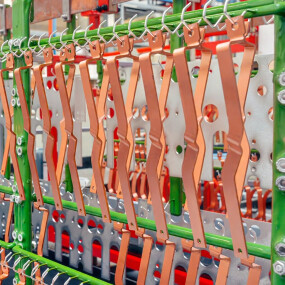
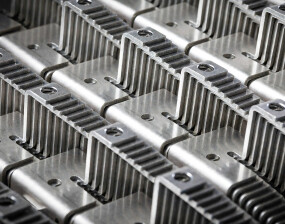
- Perfect fit for complex 3d geometries: Epoxy coatings uniformly cover intricate shapes, including parts with sharp bends, twists, openings, or varying cross-sections. This makes them ideal where fitting heat shrink tubing is difficult or prone to failure.
- Improved thermal management: A thin, high-adhesion dielectric coating enhances heat dissipation during operation, helping maintain lower component temperatures.
- Dimensional stability and long-term durability: Once cured, the thermoset coating retains its shape and functional properties throughout the component's operational lifecycle without slipping, degrading, or requiring secondary assembly steps.
- Chemical and environmental resistance: Specially formulated technical coatings withstand aggressive chemical exposure, moisture, and harsh operating environments.
- Visual identification and aesthetics: Available in various colors, epoxy coatings improve product appearance while simplifying phase identification (e.g., color-coding electrical conductors).
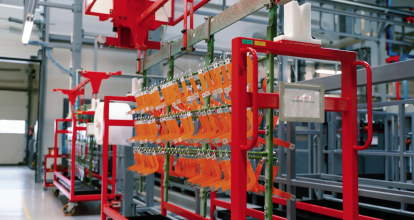
- Repeatable quality in serial production: Automated and controlled epoxy coating processes minimize human error associated with manual sleeve installation. This is crucial for high-volume manufacturing where batch-to-batch consistency is required.
- Enhanced assembly safety in high-demand applications: Strict continuity testing and quality control cut the risk of dielectric breakdown during assembly and operation—critical for battery pack components and EV applications.
- Lower long-term costs: Eliminating manual tubing application reduces labor steps and scrap rates. In serial production, this yields greater overall manufacturing efficiency.
Ultimately, powder coating metal components with epoxy paint delivers substantial benefits not only at the part level, but across the entire production workflow.
Epoxy coating vs. heat shrink tubing – detailed comparison
| Criterion | Epoxy or Polyester Coating | Heat Shrink Tubing |
| 3D Geometry Conformity | Excellent, even on complex shapes | Better suited for simple, uniform shapes |
| Thermal Performance | Thin, bonded layer promotes heat dissipation | Added material layer can impede thermal transfer |
| Durability | High, dimensionally stable after curing | Varies based on material selection and fit quality |
| Process Repeatability | High (controlled coating process) | Dependent on manual fitting and heat application |
| Environmental Resistance | High in harsh or chemical environments | Dependent on specific polymer type |
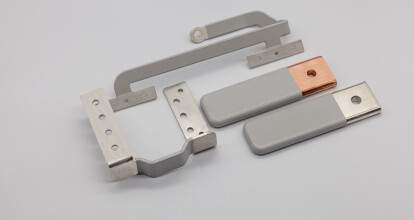
How to protect metal from corrosion and electrical breakdown? Choose electris coating systems!
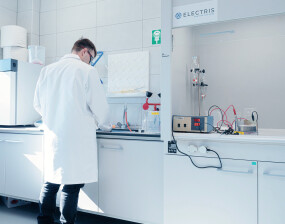
The performance of any protective coating depends not only on the material itself, but also on correct surface preparation, application precision, and optimal curing. Partnering with experienced specialists ensures the right technology is selected for your specific application and operating environment.
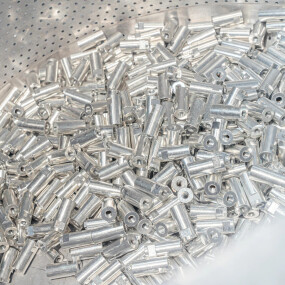
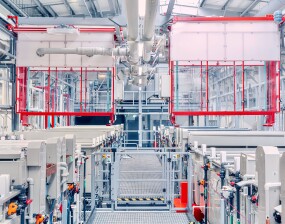
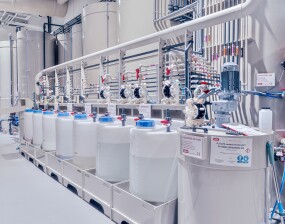
At Electris Coating Systems, we provide advanced technical coatings for copper and aluminum components, including specialized powder coating and electroplating. Our capabilities include:
- Epoxy and polyester coatings providing dielectric insulation up to 45 kV;
- Coating thickness control ranging from 100 to 1000 µm;
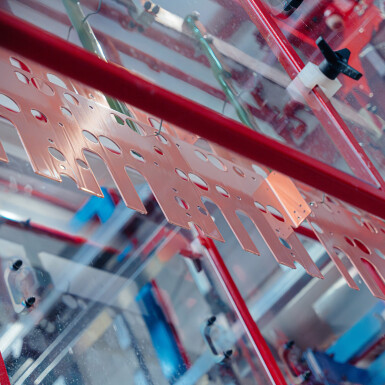
- Precision masking of contact and mounting surfaces;
- Combined plating and powder coating solutions;
- Dual-layer electroplating (e.g., Nickel + Tin combinations);
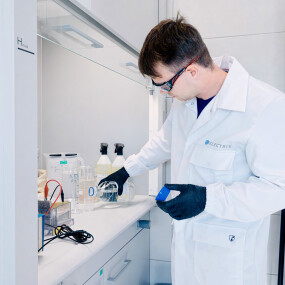
- Rigorous testing for adhesion, dielectric strength, corrosion resistance, and mechanical durability;
- Engineering support for both low-volume prototype runs and high-volume serial production.
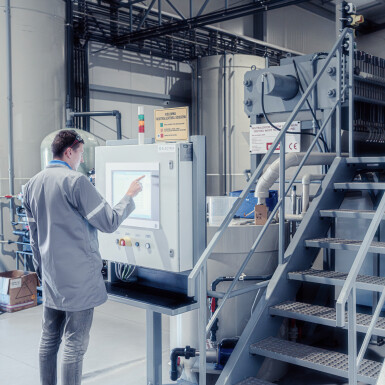
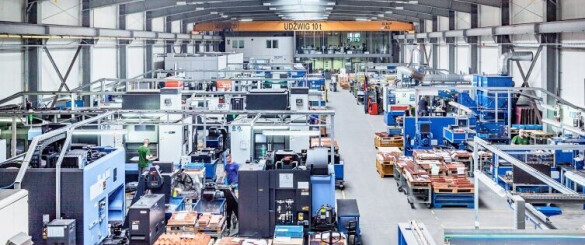
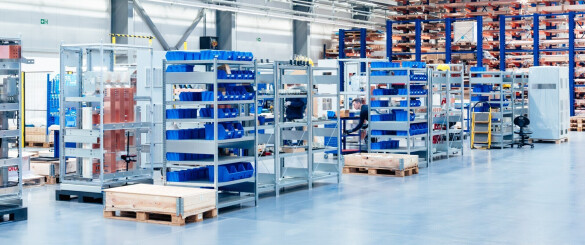
Electris offers a comprehensive "one-stop-shop partner" service model. We handle CNC mechanical processing, electroplating, powder coating, assembly, and packaging at a single facility. Eliminating transport between external subcontractors significantly reduces lead times and protects finished parts from handling damage.
If you are looking for an effective way to protect metal components from corrosion while ensuring reliable, long-lasting electrical insulation, contact us today at sales@electris.pl.