




Metal electroplating step by step: what does the entire process involve?
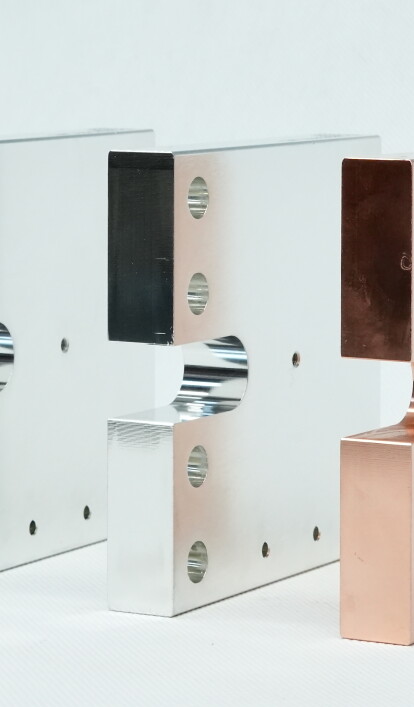
Metal electroplating is one of the key technologies used across many industrial sectors. When carried out correctly, it affects not only the appearance of a component, but above all its durability, corrosion resistance and functional performance.
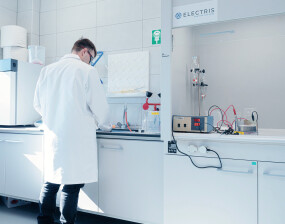
In the case of copper and aluminium components, properly executed electroplating is particularly important for reliable operation in demanding service conditions. For an electroplated coating to perform its function, the entire electroplating process must take place under strictly controlled conditions. So, how does the electroplating process work step by step, and which stages determine the final quality of the coating? How does the metal electroplating process proceed, and what is needed for electroplating so that a copper or aluminium component gains both improved performance and enhanced appearance?
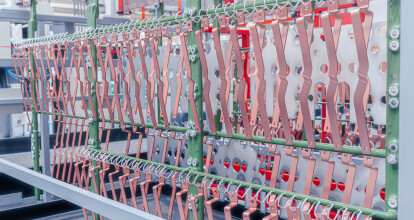
How the metal electroplating process works in practice
Applying electroplated coatings is a multi-stage procedure that requires rigorous control of physicochemical parameters. Correct execution of each of the following steps is absolutely essential to achieve a durable, defect-free and fully functional protective layer.
Stage 1. Preparing copper and aluminium for electroplating
The first stage is the foundation of the entire process, because the durability and uniformity of the final coating depend directly on the quality of surface preparation. Copper or aluminium components must be perfectly clean and free from any contamination. Why? Because even small residues of oil, rust or oxides can disrupt the electroplating process and weaken coating adhesion.
Proper metal cleaning and metal surface preparation before the application of electroplated coatings ensure:
- stable electroplating conditions;
- improved adhesion of the electroplated coating;
- repeatability of technological results.
To obtain the full benefits of electroplating, correct surface preparation is critical. However, the scope and sequence of this process depend on the type of material.
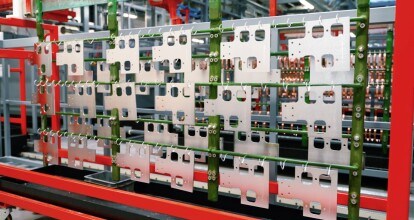
Surface preparation for copper alloys
For copper alloys, surface preparation mainly includes four key stages:
- Chemical degreasing
The first step is chemical degreasing, the purpose of which is to remove grease, oils and other organic substances from the surface of the component. This is essential, because even a very thin layer of contamination may interfere with the electroplating process and reduce coating quality.
- Electrochemical degreasing
The next stage is electrochemical degreasing, which allows even more thorough removal of residual contamination from the surface. This process supports effective preparation of the material for subsequent treatment stages and improves the efficiency of surface activation.
- Etching
The next step is metal etching, i.e. the controlled removal of oxide layers and other unwanted residues from the metal surface. This exposes the active structure of the material, ready for further technological treatment.
- Pickling
The final basic stage is pickling, whose purpose is the final cleaning and activation of the surface before the electroplated coating is applied. As a result, the component is properly prepared for further processing.
Surface preparation for aluminium and aluminium alloys
In the case of aluminium and its alloys, surface preparation follows a different route. Effective preparation requires not only appropriate degreasing and metal etching, but also protection against active oxidation and the formation of a highly stable aluminium oxide layer (Al₂O₃).
For this reason, aluminium requires a more complex surface preparation route, including multi-stage degreasing and the application of suitable intermediate layers.
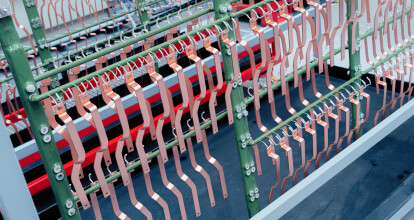
Stage 2. The electroplating process
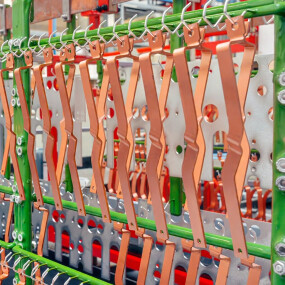
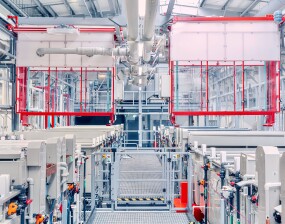
Once the component has been properly prepared, the actual electroplating process can begin. Its purpose is to deposit a thin metal layer onto the surface of the component using electric current.
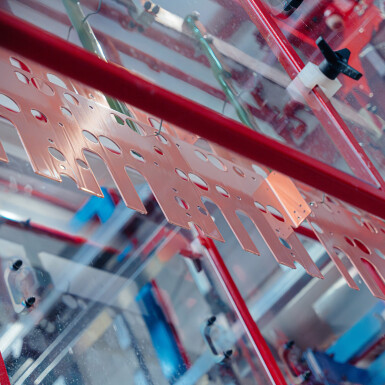
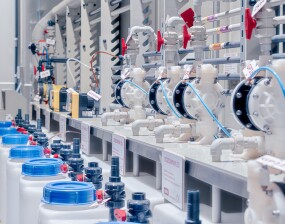
In practice, this involves immersing the component in a dedicated electrolyte bath containing ions of the coating metal. Under the influence of electric current, these ions are deposited evenly onto the surface, forming a durable and consistent electroplated coating.
Depending on the intended application, different technologies are used, such as:
- electrolytic nickel plating;
- electrolytic tin plating;
- electrolytic silver plating.
Each of these processes gives the component different functional properties — from improved electrical conductivity in the case of silver, through increased corrosion resistance in the case of tin and nickel, to improved solderability in the case of tin.
Stage 3. Rinsing and drying of the electroplated metal
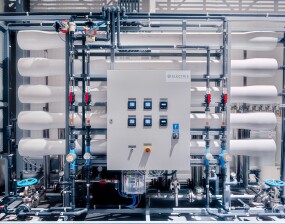
After the metal electroplating process is completed, the component must be thoroughly cleaned of electrolyte residues. Intensive rinsing is used for this purpose, removing chemical residues and stabilising the surface.
The final step is drying, which removes moisture and prepares the component for use or for further processing stages. This stage is important not only for durability, but also for the appearance of the electroplated coating.
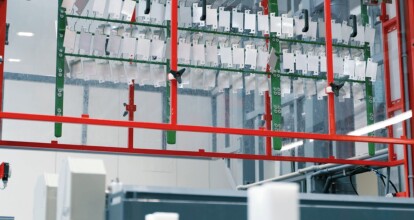
Stage 4. Electroplated coating quality control
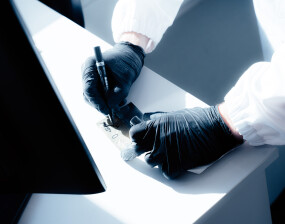
The final — but extremely important — stage is quality control, which confirms that the coating meets all technological and functional requirements. In modern production facilities, this is carried out as a detailed, multi-stage process.
The following are checked, among other things:
- uniformity and thickness of the electroplated coating;
- adhesion of the coating layer to the substrate;
- surface cleanliness;
- chemical process parameters;
- compliance with quality standards.
This makes it possible to ensure full repeatability and high quality of components, regardless of production scale.
Electris – modern metal electroplating from start to finish
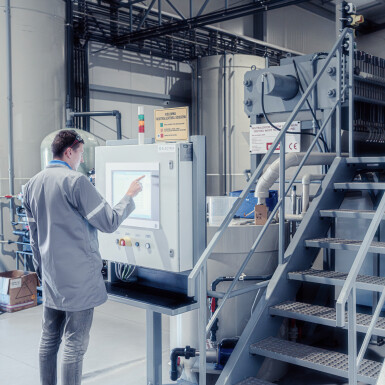
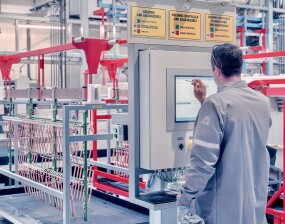
At Electris, we provide a comprehensive process — from surface preparation and coating deposition, through the integration of different finishing technologies, to thorough quality control. Automation and precise process parameter control are of key importance, ensuring repeatable and reliable results.
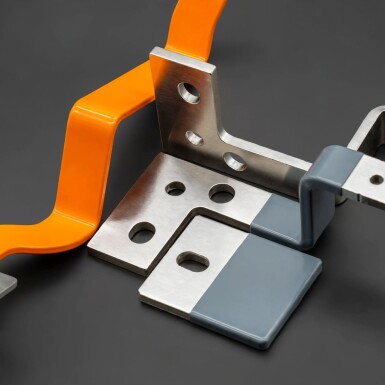
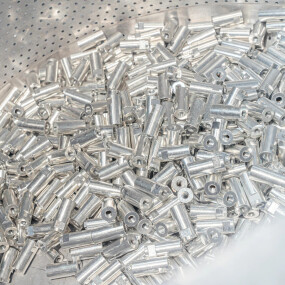
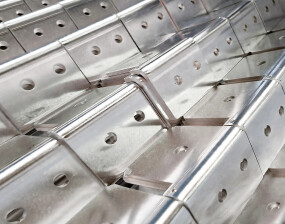
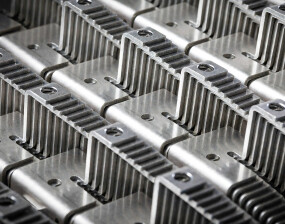
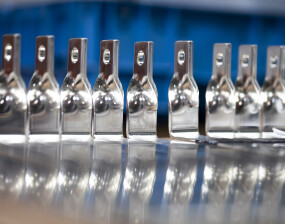
We carry out processes such as tin plating, nickel plating and silver plating of copper and aluminium, across a wide coating thickness range from 1 to 50 μm, for components up to 2100 mm in length. We specialise in solutions for the electrical power industry, where stable conductivity, contact durability and operational resistance are critical.
Our electroplated coatings improve the functional properties of components — reducing the risk of corrosion, increasing mechanical resistance, and improving both electrical performance and solderability.
As a result, our customers can be confident that non-ferrous metal components ordered from Electris will retain their properties even over a long service life.
We welcome you to work with us.