






Resistance of nickel plating to elevated temperatures
In industrial environments, high temperatures can accelerate degradation of the base material, worsen surface condition and reduce component durability. That is why the right surface finish is so important. One of the ways to improve surface properties is metal electroplating, i.e. the process of applying thin metal layers to a base material.
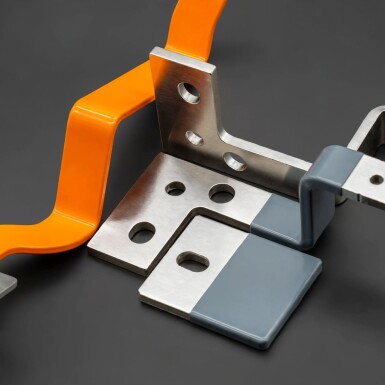
Properly selected electroplated coatings can increase corrosion resistance, improve surface durability and help maintain the required functional performance of a component. Among the solutions used in demanding conditions, nickel plating holds a special position due to its corrosion resistance, hardness and good surface stability. In many applications, combining nickel plating with tin plating also delivers important benefits, bringing together the barrier function of nickel with the good solderability and contact properties of tin.
In many industrial applications, component durability depends not only on the base material, but also on the condition of its surface. This is particularly important when a part operates in an environment exposed to elevated temperatures, moisture, oxidation, corrosive agents and long-term operational loads. Under such conditions, a properly selected electroplated coating can improve component resistance and help maintain stable functional performance.
One of the solutions frequently used in demanding applications is electrolytic nickel plating. A nickel coating is valued for its corrosion resistance, hardness, wear resistance and the possibility of using nickel as an intermediate layer beneath other electroplated finishes. In many cases, combining two different electroplated coatings — for example nickel and tin, or nickel and silver — also proves beneficial. This type of solution combines the barrier function of the nickel layer with the functional properties of the tin layer, especially its good solderability.
What role does an electroplated coating play in an elevated-temperature environment?
In an elevated-temperature environment, the main role of an electroplated coating is to protect the base material and prevent its degradation. This means reducing oxidation, improving corrosion resistance and slowing down changes that could impair the functional properties of the component. In the case of conductive and contact components, maintaining the required performance characteristics is also important.
Not every coating performs these functions to the same extent. In applications where corrosion resistance, top-layer durability, adequate hardness and surface stability under thermal load are important, a nickel coating performs particularly well. This is exactly why electrolytic nickel plating is often selected for components operating in demanding industrial conditions, especially where the priority is not only metal protection, but also long-term surface stability.
For this reason, electroplated coatings, and nickel plating in particular, are widely used in power engineering, electrical engineering, electronics, industrial automation and the e-mobility sector. In these applications, what matters is not only protection of the base material, but also the ability of the surface to remain as stable as possible during long-term operation and under changing thermal loads.
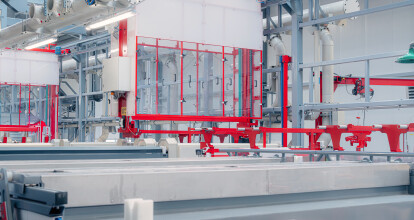
Nickel plating and operation at elevated temperatures
A nickel coating is used where top-layer durability and resistance of the surface to environmental influence are important. Nickel improves corrosion resistance, increases surface hardness and can act as an intermediate layer beneath subsequent coatings. This is also relevant under elevated-temperature conditions, because rising temperature promotes oxidation and accelerates certain surface degradation processes in metals.
This does not mean, however, that a nickel coating is suitable for every high-temperature application. The suitability of the coating always depends on the actual operating conditions: temperature, duration of thermal exposure, base material, component geometry and functional requirements. Even so, electrolytic nickel plating is a justified choice wherever surface resistance, coating durability and stability in a demanding operating environment are important.
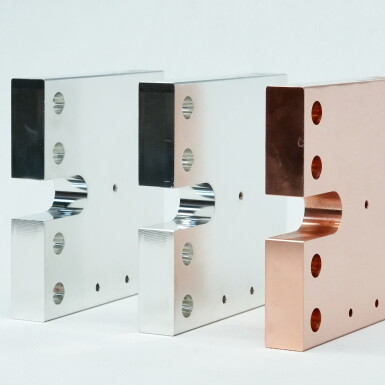
Such electroplated coatings are used, among other things, on copper and aluminium parts applied in:
- power engineering;
- electrical engineering;
- industrial automation;
- electronics;
- machinery manufacturing;
- e-mobility solutions.
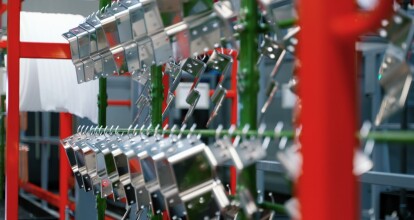
The main advantages of nickel plating
A well-executed nickel electroplated coating can provide a range of operational benefits. The most important include:
- good corrosion resistance;
- increased surface hardness;
- improved wear and abrasion resistance;
- the possibility of using nickel as an intermediate layer beneath other electroplated coatings;
- improved surface durability in demanding operating conditions.
The role of nickel as an intermediate layer is also highly important. This is precisely why nickel is widely used in multi-layer surface solutions, especially where the final finish needs to combine protection of the base material with specific functional properties.
Why can nickel be used as an intermediate layer?
In many cases, the outer layer alone is not enough to ensure adequate stability of the whole coating system. This applies particularly to copper components, where it is important to separate the base material from the final layer. This is exactly the role in which nickel is used.
As an intermediate layer, nickel can:
- act as a barrier between the substrate and the outer layer;
- limit copper diffusion;
- improve the adhesion of subsequent layers;
- support the stability of the entire coating system.
This matters not only from the point of view of corrosion protection, but also for the long-term durability of the bond between different layers during service. That is why nickel is often used as a technical undercoat beneath further electroplated finishes.
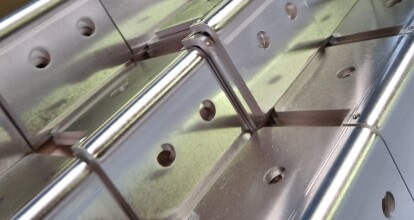
Electris – technical coatings for the power industry
At Electris Coating Systems, we provide electroplating services for copper and aluminium components used in demanding industrial applications. We produce electroplated coatings with a focus on durability, surface quality and suitability for the operating conditions of the component.
Thanks to our modern technological facilities and strict control of the electroplating process, we ensure repeatability and a high-quality finish. We also support the selection of the right solution depending on the base material, the function of the component and its operating conditions.
Feel free to contact our team at sales@electris.pl.
Sources:
- Nickel Institute, Plating: the role of nickel — https://nickelinstitute.org/en/nickel-applications/plating
- NIST, Intermetallics Formation and Growth at the Interface of Tin-Based Solder Alloys and Copper Substrates — https://www.nist.gov/publications/intermetallics-formation-and-growth-interface-tin-based-solder-alloys-and-copper