







How do electroplating processes affect the electrical conductivity of metal components?
In conductive components, the conductivity of the base material alone does not determine the performance of the entire part. The final efficiency also depends on the properties of the top layer, including contact resistance, oxidation resistance, surface stability and the behaviour of the coating over a long service life.
This is precisely why electroplating processes play such an important role in the production of components for the power engineering, electronics and e-mobility sectors.
A properly selected electroplated coating can do more than simply protect a part against corrosion — it can also have a real impact on the quality of electrical connections and the predictability of functional performance. So, how do electroplating processes affect the electrical conductivity of metal components, and which solutions are most widely used today?
What is electrical conductivity and what does it affect?
Before looking more closely at electroplating processes, it is worth clarifying what electrical conductivity actually is. Electrical conductivity defines a material’s ability to carry electric charge with the lowest possible energy losses.
In practice, it directly affects the resistance of a component, the level of heat losses and the operational stability of the entire system, especially in high-current applications. In metals, the final conduction performance depends not only on material composition and microstructure, but also on the condition of the surface layer, the presence of oxides, contamination and the quality of the contact area. This is exactly why the electrical conductivity of copper and the electrical conductivity of aluminium are so important in the design of busbars, connectors and other components for the power and electrical engineering industries.
In practice, electrical conductivity affects:
- the stability of power transmission;
- the service life of electrical components;
- the efficiency of soldered and mechanical connections;
- energy losses in electrical power installations.
Electroplating processes and the electrical conductivity of metals
In many technical applications, the goal is to reduce energy losses, improve current transmission efficiency, and ensure the long-term durability and reliability of electrical connections. In practice, however, this is not only about increasing the conductivity of the base material itself, but also about optimising the properties of the surface layer and contact area, which directly affect the operating performance of the component.
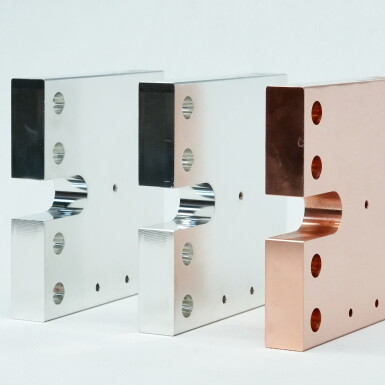
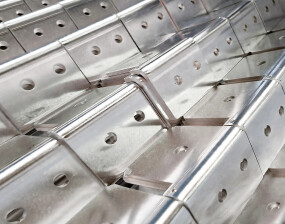
One of the most effective ways to achieve this is metal electroplating, that is, the electrolytic deposition of a metal layer onto the surface of a part. Properly selected coatings, such as silver, tin or nickel, can improve the functional properties of components, increase contact durability, reduce the effects of oxidation and stabilise the performance of electrical connections. An additional advantage of this solution is the ability to achieve a precisely controlled coating thickness, making it possible to fine-tune both the electrical and mechanical properties of the component.
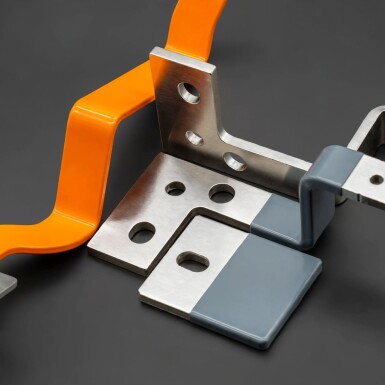
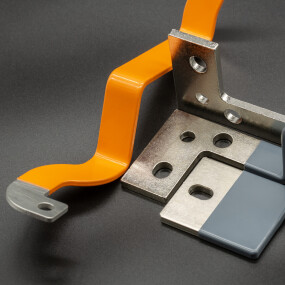
This is why electroplated coatings are now widely used across many industrial sectors. They are applied, among other things, to busbars, electrical connectors, terminals and components for switchgear and control cabinets, where stable conductivity, low contact resistance and effective corrosion protection are essential for the safety and reliability of the entire installation.

Which electroplated coatings improve the conductivity of metals?
In current-carrying applications, not only the electrical properties of the coating metal itself are important, but also contact resistance, the tendency of the surface to oxidise, long-term parameter stability, and the resistance of the connection to operating conditions. In the case of copper or aluminium components, the most commonly used electroplating processes are silver plating, tin plating and nickel plating. Each of these coatings gives the component slightly different properties.
Electrolytic silver plating
Electrolytic silver plating is used wherever low contact resistance, high-quality conductivity at the contact interface and stable performance in high-current applications are critical. Silver, as a metal with very high electrical conductivity, performs extremely well in functional layers designed for use in connectors, contacts, busbars and other conductive components.
It is also worth noting that, in the case of copper, a silver coating does not increase the bulk conductivity of the base material itself. Its role is primarily to improve the properties of the contact surface — reducing contact resistance, limiting the effects of oxide layers and maintaining stable electrical performance over time. These characteristics are exactly why silver electroplating is one of the core solutions used in components for power engineering, electrical engineering and high-current systems.
Electrolytic tin plating
Electrolytic tin plating is used mainly where, in addition to surface protection, good solderability and long-term stability of electrical connections are also important. Tin does not provide contact conductivity parameters as favourable as silver, but it creates a functional coating that effectively protects the base material against corrosion and oxidation.
Tin coatings are widely used on connectors, terminals, assembly components and parts for electrical and electronic installations.
Electrolytic nickel plating
Electrolytic nickel plating is used primarily where environmental and mechanical resistance of the surface is the main priority. A nickel coating increases the hardness of the top layer, improves wear resistance and provides an effective barrier against corrosive factors. In many applications, it also serves as an intermediate layer in more complex coating systems.
Nickel plating is used, among other things, in selected connectors, control components, structural current-carrying parts and systems requiring increased operational durability.
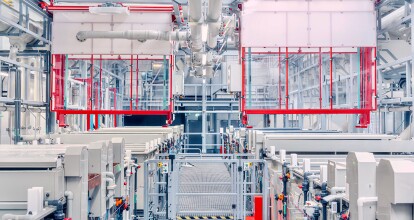
Metal electroplating means more than electrical performance alone
In copper and aluminium components, electroplating processes are used not only to optimise the electrical properties of the contact surface. A properly selected coating also performs a number of protective and operational functions that directly affect component durability, performance stability and resistance to environmental conditions.
The key benefits of metal electroplating include:
- protection against corrosion and oxidation;
- increased mechanical resistance and greater hardness of the top layer;
- improved solderability and better surface preparation for further assembly processes;
- reduction of adverse phenomena occurring in contact areas;
- stabilisation of electrical performance over a long service life;
- improved surface quality and repeatability;
- enhanced visual appearance of the component.
For this reason, metal electroplating remains one of the key surface treatment processes in industries where connection reliability, long-term durability and high repeatability of performance are critical — including power engineering, electrical engineering, industrial electronics and power distribution systems.
Electris Coating Systems – specialists in electroplated coatings
At Electris Coating Systems, we provide comprehensive electroplating services for non-ferrous metals. We specialise in electrolytic tin plating, electrolytic nickel plating and electrolytic silver plating.
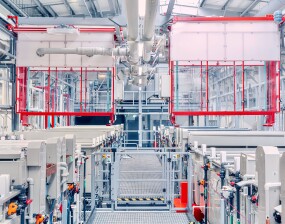
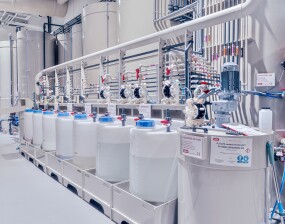
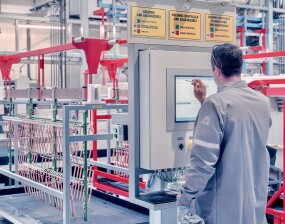
Our processes include full surface preparation — metal cleaning, degreasing and metal etching — which guarantees durable and functional electroplated coatings. Thanks to precise technology and process automation, we ensure repeatable, high-quality results for every component.
Write to us at sales@electris.pl!