



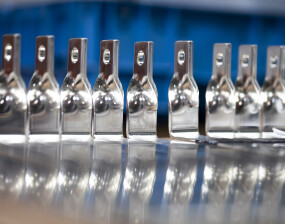
How to prepare a metal surface for effective electroplating?

On our blog, we have repeatedly discussed how the electroplating process works and what benefits it offers. Now it is time to take a closer look at the preparation stage, which has a major influence on the final result.
It determines the durability, adhesion and quality of the electroplated coating, which is why it should be carried out with attention to the smallest details. Find out how metal is prepared for electroplating.

Why is metal preparation for electroplating so important?
Let us start with the fact that metal electroplating is a process that requires a high level of precision and control at every stage. Even seemingly minor errors or oversights can significantly affect whether a component receives a durable, uniform and well-adhered coating.
Proper metal preparation before the electroplating process is absolutely fundamental, because even the best technologies will not deliver a lasting result if the surface is not cleaned correctly.
A properly carried out preparation stage:
- ensures maximum adhesion of the electroplated coating;
- eliminates the risk of defects and discontinuities in the coating structure;
- increases resistance to corrosion and external factors;
- improves conductivity and functional performance;
- ensures greater durability of the entire component;
- stabilises the electroplating process in subsequent stages.
In practice, this means that any metal for electroplating must be completely free from contamination, oxides and grease. Only then can metal electroplating proceed correctly and deliver repeatable results.
Metal preparation for the electroplating process – what does it involve?
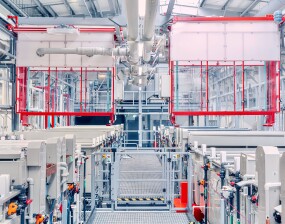
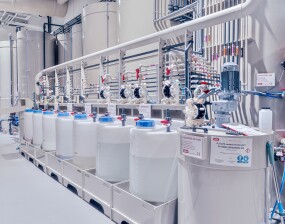
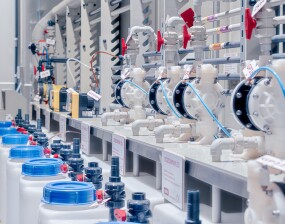
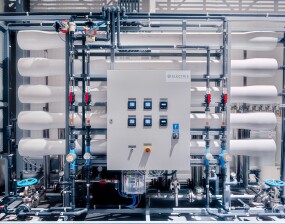
Preparing a metal surface for the electroplating process is one of the most important stages determining the quality, durability and adhesion of the coating. This is a multi-stage process carried out under controlled technological conditions, using specialist process baths and properly supervised production lines.
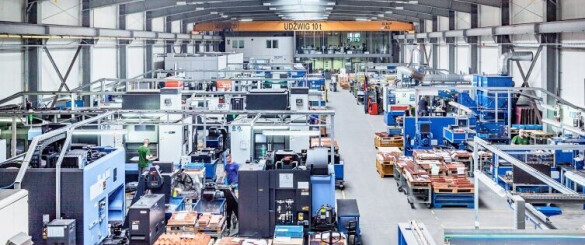
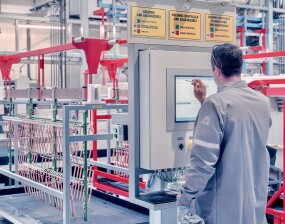
In modern facilities such as Electris Coating Systems, surface preparation is performed under strict process parameter control and with the involvement of experienced personnel. The scope of the individual stages depends on the type of material, because copper alloys have different technological requirements from aluminium and its alloys.
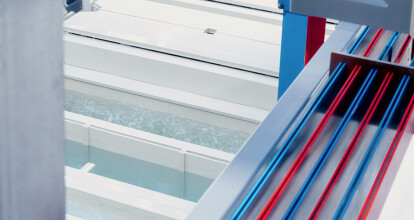
Surface preparation of copper alloys
In the case of copper alloys, surface preparation usually consists of four basic stages:
- Chemical degreasing
The first step is chemical degreasing, the purpose of which is to remove grease, oils and other organic contaminants from the metal surface. This stage is crucial, because even a thin residual layer may negatively affect the electroplating process and weaken coating adhesion.
- Electrochemical degreasing
The next stage is electrochemical degreasing, carried out in a working solution with the use of electric current. This process makes it possible to remove residual contamination that was not eliminated in the previous stage, and it also supports activation of the metal surface. As a result, the material is better prepared for further chemical treatment and the application of electroplated coatings.
- Etching
After degreasing, metal etching is carried out, meaning the controlled chemical removal of oxide layers and other unwanted residues from the metal surface. The purpose of this stage is to expose the active structure of the material and prepare it for the next technological operations.
- Pickling
The final basic stage is pickling, meaning the final cleaning and activation of the surface directly before the electroplated coating is applied. This process removes the remaining oxidation products and ensures optimum conditions for achieving a high-quality coating.
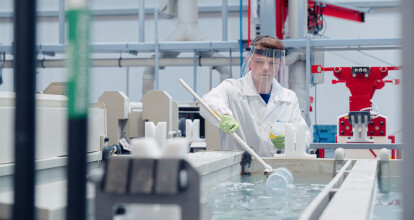
Surface preparation of aluminium and its alloys
In the case of aluminium and its alloys, surface preparation requires a different technological approach. This results from the specific nature of the material, which has a strong tendency to oxidise quickly and form a stable aluminium oxide layer (Al₂O₃).
For this reason, effective preparation of aluminium is not limited to degreasing and metal etching alone. It is also necessary to use more advanced technological solutions that make it possible to prepare the material properly for the following process stages and reduce undesirable oxidation effects. In practice, this means a multi-stage surface preparation process, including appropriately selected degreasing stages and the application of intermediate layers.
Intermediate rinsing
An important part of the whole process is also careful intermediate rinsing carried out after each stage of surface preparation. Its purpose is to remove residues of the process baths and reduce the risk of contamination being carried over into subsequent stages of the process.
Why is metal surface preparation so important?
Correct surface preparation has a direct impact on the quality of the final electroplated coating, its adhesion, durability and service resistance. The effectiveness of subsequent processes such as electrolytic silver plating, electrolytic tin plating and electrolytic nickel plating depends precisely on how carefully this stage is carried out.
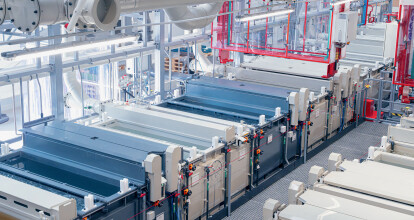
Metal preparation for electroplating and quality control
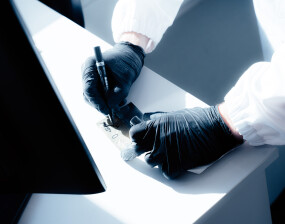
Once the stages described above have been completed, detailed quality control follows. This is an extremely important part of the entire process, as it makes it possible to confirm that the surface meets technological requirements before the electroplated coating is applied.
Quality control includes, among other things:
- assessment of surface cleanliness;
- checking surface uniformity;
- chemical analysis;
- verification of process bath parameters.
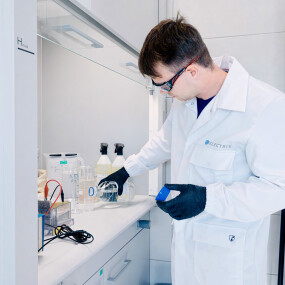
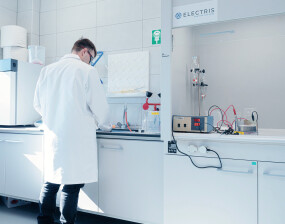
At Electris Coating Systems, the entire process is supported by a modern chemical laboratory and systems compliant with ISO 9001:2015, ensuring the highest quality and repeatability of results.
Electris – comprehensive electroplating services from preparation to finished coating
Copper electroplating and aluminium electroplating are not standard processes — they require the use of appropriate technologies, process automation and full quality control. This is exactly what Electris Coating Systems provides.
We offer comprehensive electroplating services, covering surface preparation, coating application, and the combination of electroplating technologies with powder coatings.
We specialise in processes such as:
- electrolytic tin plating;
- electrolytic nickel plating;
- electrolytic silver plating.
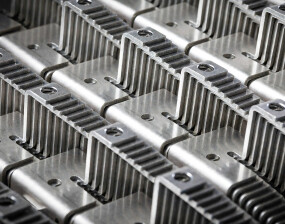
We produce coatings with thicknesses from 1 μm to 50 μm, processing components with a maximum length of up to 2100 mm. Our solutions are dedicated primarily to the electrical power industry, where reliability and component durability are essential.
Would you like to learn more or use professional aluminium electroplating or copper electroplating services? Feel free to contact us.