A leader in copper and aluminum processing in Europe. Check us out:
A leader in copper and aluminum processing in Europe. Check us out:

Non-ferrous metals such as copper and aluminum are essential materials across various industries, serving as integral components of machines, systems, and structures.
However, they are continuously exposed to environmental factors like moisture, oxygen, salts, and chemicals that can lead to corrosion, compromising both durability and performance. That’s why the use of electroplated coatings is so important—they create a protective barrier that shields metals from rust and significantly extends their service life.

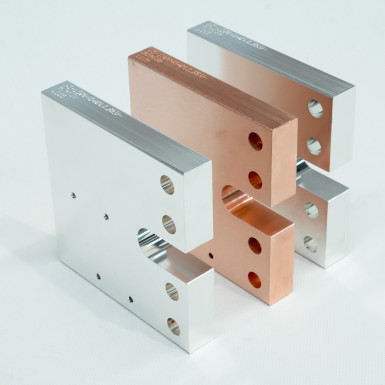
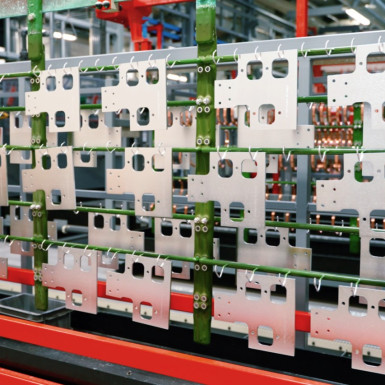
Electroplated coatings are thin layers of metal—such as tin, nickel, or silver—applied to the surface of another metal to enhance its protective and functional properties. This process, known as electroplating, involves depositing a metal layer either chemically or through an electrolytic process. In electrolytic plating, the component being coated acts as the cathode, and the coating material is the anode, both immersed in an electrolyte solution. As electric current flows, metal ions settle onto the surface, forming a durable and uniform protective layer.
Electroplated coatings protect metals in several ways:
Thanks to these mechanisms, electroplating is considered one of the most effective methods for preventing corrosion, while also improving the mechanical, electrical, and visual properties of metal components.

There are several types of electroplated coatings, each offering distinct advantages depending on the application and protection requirements. Below are the most commonly used types:
Electrolytic tin plating involves applying a thin layer of tin onto the surface of a metal component. This coating primarily serves as a corrosion barrier, shielding the base material—typically copper or aluminum—from oxidation and moisture. Thanks to its excellent adhesion and sealing properties, the tin layer prevents rust, facilitates soldering, and improves resistance to oxidation. Unlike untreated copper, tinned surfaces are much less reactive to oxygen and environmental exposure.
Tin also offers good electrical properties, including relatively low resistance and stable conductivity. Although it doesn’t increase the conductivity of copper or aluminum, it ensures a reliable surface for electrical and thermal transmission.
Nickel plating involves electrochemically applying a nickel layer to a metal surface. Nickel is known for its excellent corrosion resistance and high surface hardness. It creates a smooth, uniform protective layer that shields metals from oxidation and chemical degradation.
Nickel’s resistance to various acids and alkalis makes it a popular choice in energy, rail, defense, and automotive industries. Additionally, nickel plating enhances the visual appeal of components by giving them a glossy, refined finish.

Electrolytic silver plating is a high-performance method used to improve both corrosion resistance and electrical conductivity of copper and aluminum parts. It creates a dense, well-adhered layer that offers outstanding solderability, high thermal conductivity, and long service life.
Silver coatings are widely used in the electrical, electronics, and power industries, where stable connections and protection from oxidation are critical. The silver layer prevents oxide formation, which could otherwise interfere with conductivity, and improves the component’s resistance to high temperatures and wear.
Electroplating is a versatile and reliable method of corrosion protection, widely used in industries where performance, safety, and longevity are essential. Applications include:

Each electroplated coating type offers unique protective and functional benefits suited to specific industries. Tin plating ensures excellent corrosion resistance and solderability in electrical and electronic components. Nickel plating combines hardness with high durability, making it ideal for automotive, defense, and energy applications. Silver plating provides the highest electrical conductivity, commonly used in power engineering, connectors, and high-performance electronic systems.
The performance of electroplated coatings depends on factors such as surface preparation, bath composition, current density, and plating time. Proper cleaning and degreasing are essential to ensure adhesion, while maintaining stable electrolytic parameters guarantees uniform coating thickness. Post-treatment processes like passivation or controlled drying further enhance corrosion resistance and coating durability.
To ensure reliability, every coating undergoes rigorous quality control and laboratory testing. These include thickness measurements, adhesion and hardness tests, as well as corrosion resistance evaluation in salt spray chambers. At Electris, coatings are tested according to international standards, ensuring consistent performance and long-term protection in demanding industrial environments.
At Electris, we specialize in professional metal electroplating services, offering advanced solutions based on cutting-edge technologies and years of experience.
We provide tin, nickel, and silver plating services on copper and aluminum components—ensuring excellent protection against corrosion, increased mechanical strength, improved conductivity, and an attractive finish. With our modern production facilities and strict quality control, we adapt every coating to meet your industry’s specific technical and environmental demands—from automotive to power engineering.
Have questions or need a quote for tin, nickel, or silver plating? Contact us at: sales@electris.pl – we’ll be happy to help.
I use cookies to ensure basic site functionality and improve your online experience. You can choose for each category to opt-in at any time. For more information on cookies and other sensitive data, please see the full privacy policy and cookie policy.
If you have any questions about our cookie policy, please contact us.