A leader in copper and aluminum processing in Europe. Check us out:
A leader in copper and aluminum processing in Europe. Check us out:

To improve the properties and characteristics of metal objects or to protect them from numerous threats, various electroplating processes are employed e.g. nickel plating.
As a result, a durable coating is created on the surface of a component, which can protect against corrosion, enhance wear resistance, or stable electrical conductivity in the coated area. One of the commonly used electroplating processes is nickel plating. What does this process entail, and what benefits does it provide?
Nickel plating is an electrolytic process in which a thin layer of nickel is deposited onto a metal surface. It can be used both as a finishing process and a base for other coatings, such as chrome. Due to the many benefits it offers, nickel plating is utilised across various sectors, including the electrical energy industry.
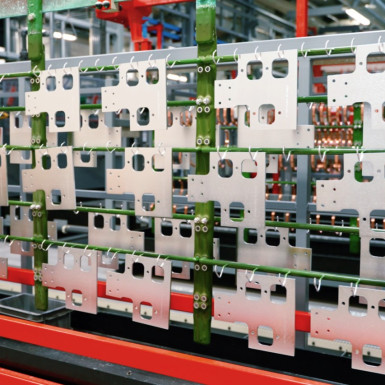
How is nickel plating performed? Initially, the metal components must be properly prepared—they are cleaned and degreased, followed by treatments such as etching and pickling, which help remove oxides and rust from their surfaces. The details are then placed in baths containing an electrolyte solution with nickel salts. By introducing an electric current, nickel ions are reduced and deposited onto the metal surface. Different layer thicknesses can be achieved, depending on the duration of the plating process and the applied current density.
The primary aim of nickel plating is to enhance the parameters, functional properties, and appearance of metal components. The resulting coating is characterised by high corrosion resistance, hardness, and an aesthetically pleasing shine. The properties of nickel plating may vary based on the process used and the conditions of use.

Electrolytic nickel plating can be performed on various materials, predominantly metals. Coating a component with nickel provides better corrosion protection and improves the durability and appearance of the plated item. The most common applications include:
Interestingly, nickel coatings can also be applied to plastics, composite surfaces, and ceramics.

Nickel plating processes are carried out for various reasons, depending on technical and aesthetic requirements. The main benefits include:
All of these advantages of electrolytic nickel plating make it applicable in numerous industries, such as automotive, energy, electronics, defence, jewellery, medical, and even aviation.
In the energy sector, nickel plating is widely used for components that need to withstand the effects of environmental conditions and chemicals. Examples of such elements include pipes, tanks, and fastening parts.

Nickel-plated parts are widely used in industries that require high durability, corrosion resistance, or aesthetic value. In the electrical and energy sectors, nickel plating is applied to copper or aluminium parts, like: connectors, busbars, terminals, and switchgear components to maintaining conductivity and ensure long-term protection against oxidation and environmental impact. In the automotive industry, it is used to protect structural elements, bolts, and battery components from wear and corrosion. Electronics manufacturers rely on nickel coatings to enhance the performance and reliability of contacts and PCBs. The medical and aerospace industries value nickel plating for its resistance to chemicals and its ability to withstand high-stress environments while remaining biocompatible and easy to sterilize.
Aluminum is a lightweight and corrosion-resistant metal, but it lacks strong surface hardness and adhesion for other coatings. Nickel plating significantly improves its wear resistance, enhances its surface hardness, and creates a strong, adherent base for further electroplating (e.g., chrome). Nickel-plated aluminum components are often used in electronics, e-mobility, and battery systems, where good, stable conductivity and surface durability are crucial. In the aerospace and automotive sectors, this treatment is especially useful for structural and conductive components exposed to demanding environmental conditions.
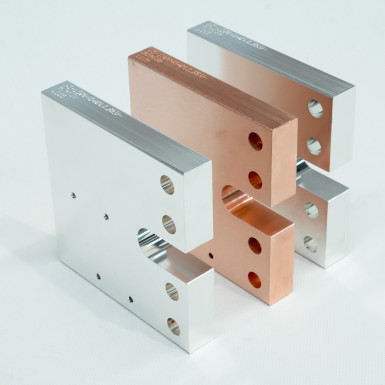
Copper is already known for its excellent electrical and thermal conductivity, but it can be soft and susceptible to corrosion in harsh environments. Nickel plating enhances copper’s mechanical properties, making it more durable and resistant to abrasion, oxidation, and chemical exposure. This is particularly beneficial in power generation and distribution, where copper busbars and terminals must maintain performance over time. Nickel plating also improves solderability, which is valuable in electronics manufacturing and precision engineering. At Electris, we perform nickel plating on copper with high precision, offering long-lasting and conductive coatings for demanding industrial applications.
Nickel plating begins with the careful preparation of the substrate. The component is first degreased, cleaned, and etched to remove any oxides, ensuring a perfectly active surface for deposition. The element is then immersed in an electrolytic bath containing nickel salts. When a direct electric current is applied, nickel ions migrate and are reduced at the cathode surface, forming a uniform layer of nickel. The thickness of the coating is controlled by current density, bath composition, and plating time. Depending on the requirements, coatings can range from thin decorative layers to thick, highly durable engineering coatings designed for extreme operating environments.
Compared to other galvanic processes, nickel plating offers a unique combination of durability, corrosion resistance, and aesthetics. While tin plating is primarily used to improve solderability and corrosion restistance and silver plating excels in conductivity, nickel provides superior hardness and abrasion resistance. Chrome plating, on the other hand, is often applied over nickel to further enhance appearance and wear resistance. In many cases, nickel plating serves as an intermediate layer—for example, beneath decorative chrome coatings or as a base for precious metal layers—ensuring excellent adhesion and long-lasting performance.
Although nickel plating is versatile, it comes with certain challenges. Surface preparation is critical—any contamination may result in poor adhesion or blistering. Maintaining precise control over the electrolyte bath composition, pH, and temperature is necessary to avoid issues such as internal stress, brittleness, or uneven thickness. Nickel plating also faces environmental and health regulations, as some nickel compounds can be hazardous, requiring strict waste treatment and safety measures. Additionally, nickel may tarnish over time unless sealed or overplated.
To maintain the protective and aesthetic qualities of nickel coatings, proper care is essential. Nickel-plated surfaces should be regularly cleaned using mild detergents and non-abrasive cloths to avoid scratching. Exposure to strong acids, alkalis, or chlorides should be minimized, as these can damage the coating. For decorative items, periodic polishing helps maintain the metallic shine, while industrial components may benefit from additional protective topcoats or sealing layers. With proper maintenance, nickel-plated surfaces can retain their properties and appearance for many years, even under demanding conditions.
The future of nickel plating is shaped by advances in sustainability, performance, and automation. Growing demand for environmentally friendly processes has accelerated the development of low-toxicity electrolytes and alternatives to traditional baths. Nanostructured and composite nickel coatings are gaining attention, offering enhanced hardness, self-lubricating properties, or improved corrosion resistance. Hybrid systems combining nickel with powder coatings, PVD, or electroless layers are becoming increasingly common in industries requiring extreme durability. Furthermore, Industry 4.0 solutions—such as automated bath monitoring and AI-driven process optimization—will ensure consistent quality, efficiency, and cost-effectiveness.
At Electris, we offer electrolytic nickel plating on components made from copper and aluminium alloys. Thanks to advanced technologies and extensive experience, we can carry out each process efficiently and effectively, offering clients various nickel plating thicknesses—from 1 μm to 50 μm.
We approach every order with a fully individualised perspective, executing it based on the client's documentation. Please contact us via email at sales@electris.pl, and we will transform your needs into a finished product.
I use cookies to ensure basic site functionality and improve your online experience. You can choose for each category to opt-in at any time. For more information on cookies and other sensitive data, please see the full privacy policy and cookie policy.
If you have any questions about our cookie policy, please contact us.